


Veterinary Care for Rabbits
Rabbits make amazing pets when cared for properly. They are quiet, compact, and incredibly intelligent.
Rabbit Dental Health and Diet
The Importance of Diet
Like all pets, getting your rabbit’s diet correct is vital for long-term health. A poor diet can lead to dental disease. Unlike in dogs and cats, dental disease in rabbits is sometimes difficult to detect. Their teeth continuously grow and require constant wear to prevent overgrowth. A poor diet can cause the back teeth to develop spikes that ulcerate the tongue or cheeks, and overgrown front teeth can prevent the mouth from closing properly.
Signs of Dental Disease in Rabbits
- Nasal discharge
- Inability to close the mouth
- Facial swelling and protruding front teeth
- Loss of appetite and drooling
Dietary Needs for Healthy Teeth
To adequately wear down their teeth, rabbits need to consume plenty of fiber, predominantly found in grass and hay. Adequate fiber is also essential for proper gut function, preventing conditions like diarrhea.
The rules of feeding rabbits are simple:
- Stick to the 80:20 rule: 80% quality grass/hay and some pellets, and 20% quality greens/vegetables.
- Choose high-quality, high-protein hays such as oaten, lucerne, or timothy hays and avoid straw, which is only useful for bedding.
- Limit the amount of pellets to prevent overfeeding and obesity.
Why Feed Pellets?
Pelletised commercial diets prevent selective eating and ensure that rabbits get a balanced intake of nutrients. Monitor the amount of pellets to prevent your rabbit from becoming obese.
How to Prevent Flystrike in Your Rabbit
Tip 1: Vigilance
- Regular Checks: Check your rabbit twice daily for any soiled areas and clean them if needed.
- Cleanliness: Clean and dry any soiled areas.
- Veterinary Care: Seek veterinary attention to any open wounds that could be attractive to flies. Make an appointment to see the vet if your rabbit often has a soiled breech; there is often a medical reason for it.
Tip 2: Prevent Flies from Laying Eggs
Use Advantix spot-on monthly. It’s an insecticide used for flea and tick control in dogs but is also useful for rabbits. It repels biting flies. If an egg is laid, the resultant larvae will be killed when they try to graze on the skin.
If Your Rabbit Gets Flystrike?
Do not wait. Seek veterinary attention immediately. Flystrike progresses very quickly. Rabbits do not show many outward signs of illness, but your rabbit is likely to have circulatory shock, a serious infection, or pain. Your vet will assess this.
Additional Tips for Rabbit Care in Warm Weather
- Habitat Hygiene: Keep your rabbit’s living area clean and dry. Regularly change bedding and remove feces and urine to minimize odors that attract flies.
- Diet and Health Monitoring: Ensure your rabbit’s diet supports digestive health to prevent diarrhea and obesity, which can lead to soiled fur. Regular dental checks are also important, as dental issues can lead to drooling and subsequent chin and chest soiling.
- Barriers: Use fly screens or nets around rabbit enclosures to keep flies out.
Important Rabbit Diseases
The 2 main viruses we protect against are:
- Myxomatosis
- Calicivirus (Rabbit Haemorrhagic Disease Virus, or RHDV)
Myxomatosis in Rabbits
How is it caught?
Blood-borne infection from biting insects, mostly mosquitoes but also fleas. Pet rabbits are most susceptible.
What does it do?
Causes thickening of the ears, severe swelling of the eyelids, leading to blindness, and severe respiratory infections. Death typically occurs about 2 weeks later, often from pneumonia.
Is there a cure?
There is no cure or vaccination for this disease in Australia.
How can I prevent Myxomatosis?
Reduce your rabbit’s exposure to fleas and mosquitoes. Use mosquito netting and treat your rabbits for fleas with products like Advantix.
Calicivirus in Rabbits
How is it caught?
Spread via the air, biting insects, and contact with the urine, feces, or saliva of infected rabbits. Contaminated objects and individuals can also transmit the virus.
What does it do?
Signs include lethargy, seizures, bleeding from nostrils, or sudden death. The RHDV2 strain can cause lethargy or gut stasis before death.
Is there a cure?
No, prevention through vaccination is the key to protection.
How can I prevent Calicivirus?
Keep your rabbit away from unvaccinated rabbits, hot wash bedding, and protect from mosquitoes with Advantix. Vaccination is crucial.
When to Vaccinate?
Vaccinate at 4 weeks of age, with repeat doses at 8 and 12 weeks. Adult rabbits should be vaccinated every 6 months, with a booster if vaccinations have lapsed.
Wellness Plans for
Rabbits
- Vaccinations
- Flea mosquito control (monthly)
- Microchip
- Vaccinations
- Desexing
- Flea mosquito control (monthly)
- Vaccinations (every 6 months)
- Flea mosquito control (monthly)
- Health & dental exam (every 6 months)
- Weight (every 6 months)
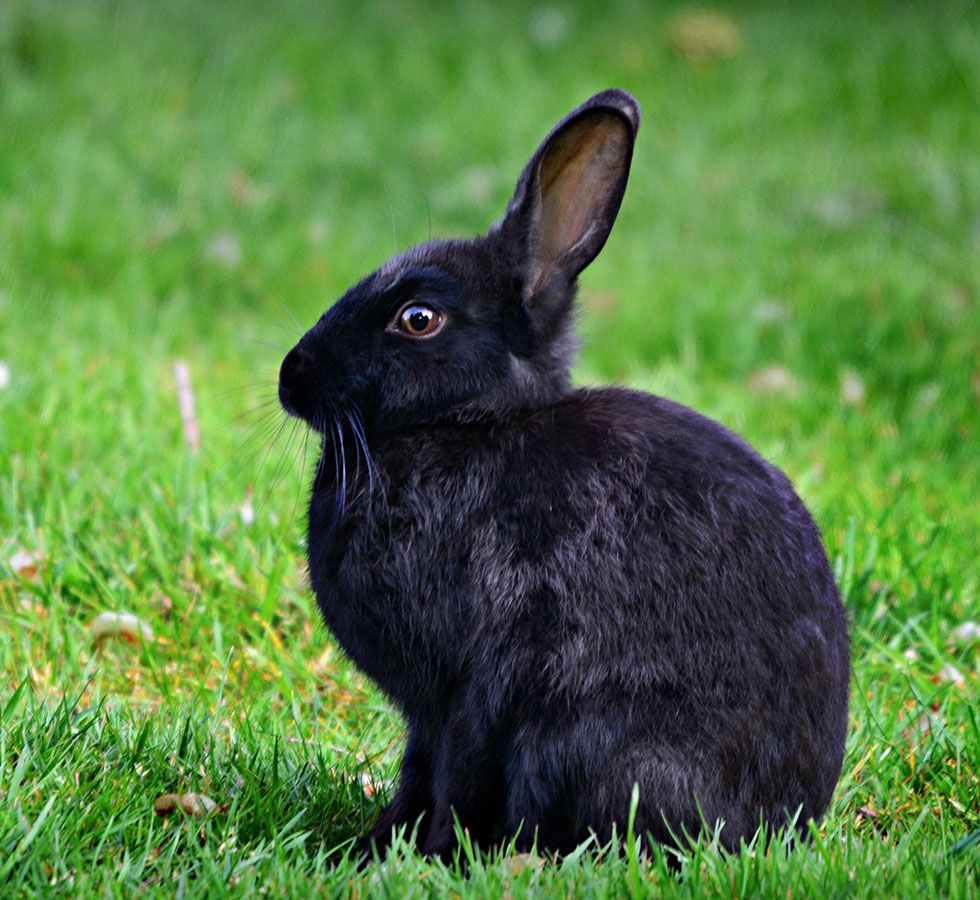
Rabbit Preventative Care & Vaccination
Rabbits are also common targets for fleas and mosquitoes. These parasites can carry diseases, such as myxomatosis, that can be fatal for pet rabbits. Avoid outdoor exposure at dawn and dusk, and consider preventative medications to kill fleas and repel mossies.
Rabbit Illness Treatment & Surgery
Caring For Life